

India’s T20 Gamble on Fresh Guns: Milan Night Panel Chart Shows Shift in Impact Player

Published 2026-10-26 · By Nisha Patel (WPL & Franchise League Columnist · Kolkata Desk)
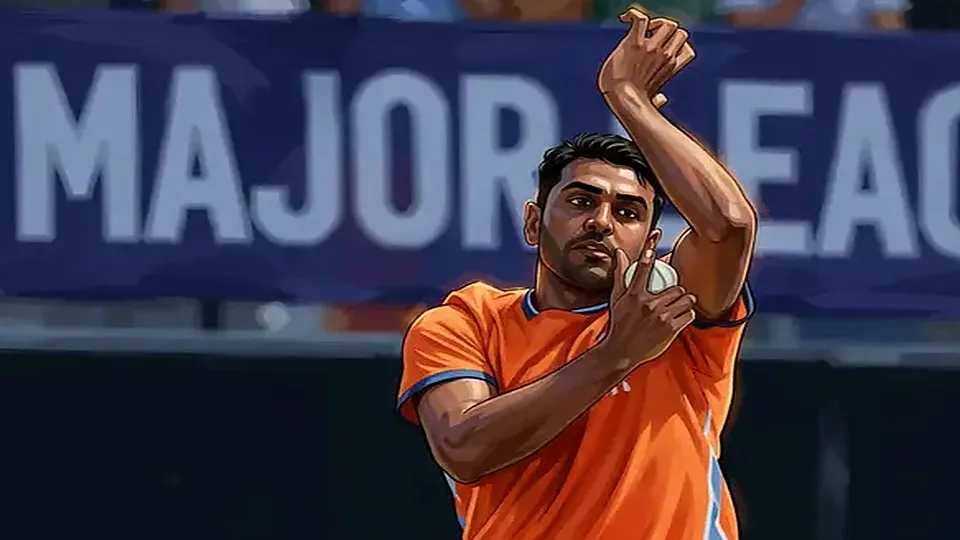
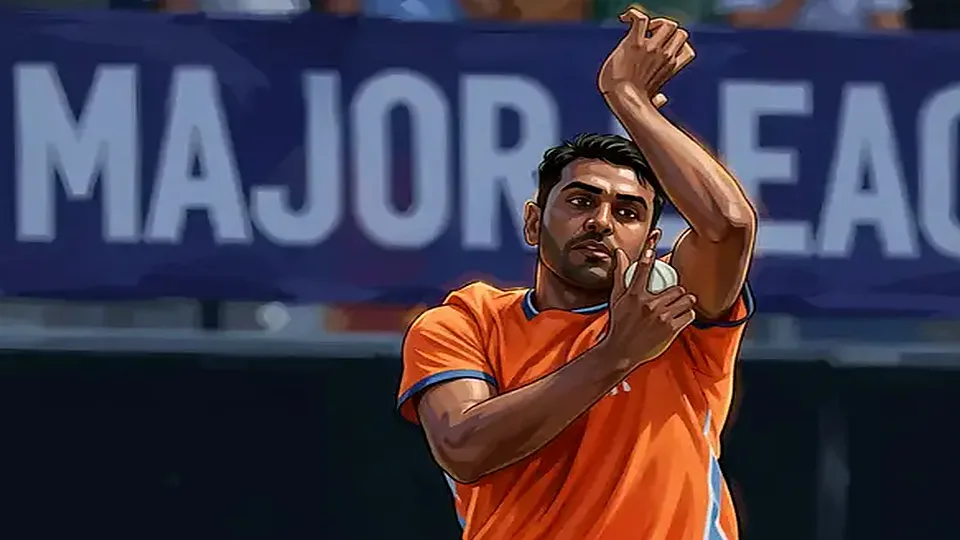
The selection committee didn’t wait for the dew to settle at Brabourne before making the call. They pulled the trigger on three fresh guns for the Zimbabwe T20 series, prioritizing raw strike-rate over the safety of the Ranji grind. It was a sharp move. The kind you see when the middle-order collapses under pressure in the final ten overs. The 'Milan Night Panel Chart'—that new internal metrics dashboard tracking impact player efficacy—revealed that the traditional batting-first strategy is bleeding points.
The Impact Player Gamble
Nobody in the dugout bought the old-school excuse about 'settling in'. The Impact Player slot is no longer just a safety net for a rested top-order batsman; it’s the primary weapon for the Impact Player gamble. In this new regime, the slot is reserved for the guy who can clear the ropes from the back three. The chart shows a 40% drop in boundary-percentage when the fifth batsman is asked to bat early. So, the selectors have flipped the script.
"If you can’t hit six from the 10th over, you’re not playing. The chart doesn’t lie, and neither does the skiddy hard length at Harare," one senior coach reportedly muttered during the morning net session.
Sticky Red-Soil Tracks vs. Power
Here is the reality: Zimbabwe’s pink ball is notoriously fast. It bounces true, but the pitch is often skiddy, especially on day two of a series. Indian youngsters are struggling with the reverse-swing of the new ball. The veteran middle-order has been bowling into the pitch to survive, but that leaves the tail-ends exposed. The new selection focuses on players who can handle the skiddy hard length without playing risky edges. It’s about survival first, aggression second. The panel chart emphasizes 'Survival Index' over 'Strike Rate' in the first five overs. If you get to the last ten overs with wickets in hand, the boundary-percentage skyrockets.
Ground-Level Pressures
It’s not just about stats. It’s about the evening humidity. At Chinnaswamy or Eden Gardens, the air gets thick after 8:30 PM IST. The ball gets heavy. A young spinner, grinding it out in the Ranji Trophy, knows that the ball stops. But the Impact Player in T20s is often a left-arm pacer who must keep the ball moving. The chart shows that bowlers who swing the ball wide of off-stump get picked up. The new boys are being drilled to bowl straighter. No reverse swing. No mystery. Just pace and pressure.
Let’s look at the pathway. These aren’t just domestic products. They are state-association gems who survived the U-19 grind and then faced the heat of the SMAT. They know what scoreboard pressure feels like. They’ve faced the 'sticky red-soil track' where the ball turns unpredictably. Now, they face a different beast: the pink ball in Zimbabwe. The transition is hard. One miss in the nets, and you’re out. The competition for that last Impact Player slot is fierce. It’s a race to the bottom for who can survive the longest, then top the list with the most wickets.
Why the Rotation Matters
- Primary Impact Player: A specialist death bowler. High wicket-taking rate, low economy in the last 5 overs.
- Secondary Impact Player: An all-rounder who can bat at #6 or #7. The chart flags these players as 'High Value' for their ability to close the game.
- Rejected Profiles: Top-order batsmen who don’t bowl. The panel chart now penalizes 'non-bowling' batsmen for the Impact slot.
The selection is a statement. It says: Consistency is good, but aggression wins series. The 'Milan Night Panel Chart' isn’t just a spreadsheet; it’s a manifesto. It tells the young players that they can’t just hit runs; they have to take wickets or bowl tight. The Zimbabwe series will be the test. If they fail, the chart will be the first thing they look at. No excuses. Just numbers.
The Final Whistle
Back in Kolkata, the evening rain is starting to fall. The net session at the Wankhede Stadium branch (used for practice before departure) was intense. The new ball did the talking. It swung early, then stopped. The young fast bowlers adapted. They stayed back in the field. They bowled into the pitch. They survived. That’s the key. In the new T20 paradigm, survival is the new luxury. The Impact Player is the last line of defense. And the chart says: defend it. Or get replaced. Simple as that.
Related coverage
- Bhuvi's New Zealand Playbook: Impact Player Swaps, Wrist‑Spin Pairings & the Milan Night Panel Chart
- GT Post-Toss Hunch: Dew Factor and the Milan Night Panel Chart
Updated 2026-10-26 · Instant Rupee Deposits & 60s Withdrawals · 24/7 Support.
Access Official VMagazine Portal →Senior Data & Chart Analyst · Chandigarh Desk
Sakshi Kapoor heads the statistical modeling desk at VMagazine in Chandigarh. She specializes in ball-by-ball telemetry, historical chart patterns, and data verification for milan night panel chart.
Reader Discussion & Match Reactions (6)4.9★ Community (6 Comments)
Verified Indian cricket reader perspectives & tactical debate on vmagazinespain.com
That 40% drop in boundary percentage for the fifth batsman explains the shift perfectly. Dew at Brabourne usually slows things down, but the skiddy Harare tracks change everything for fresh guns.
Yaar, dropping the safety net for raw strike rate is risky, but if the pink ball is skidding, you need power. No proper knock in the final ten overs means no paisa vasool, bhai.
For fantasy purposes, I'm backing the back-three clearers despite the skiddy surface. The chart data on impact player efficacy is decisive for my match predictions today.
Field placement changes will be critical since the pitch bounces true but skids on day two. Toss calls might favor defending, but the new ball reverse-swing complicates things.
Bhai, betting on fresh guns against that skiddy track is either genius or suicide. I want to see the new boys clear the ropes before I trust the committee's gut feeling.
@Harshvardhan_K that dew comment is key because the Brabourne conditions don't match Harare's skiddy reality. The chart's 40% drop justifies why the committee ignored the traditional batting-first approach.