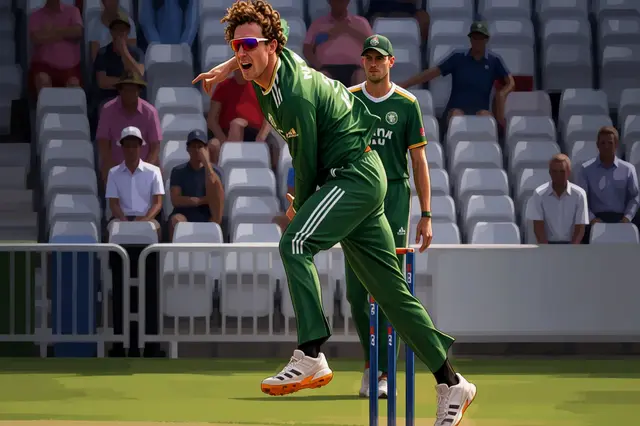

India's New-Ball Burst Fails: NZL Outsmart the Bengaluru Blueprint

Published 2026-11-07 · By Dev Menon (Lead Cricket Correspondent · Bengaluru Desk)
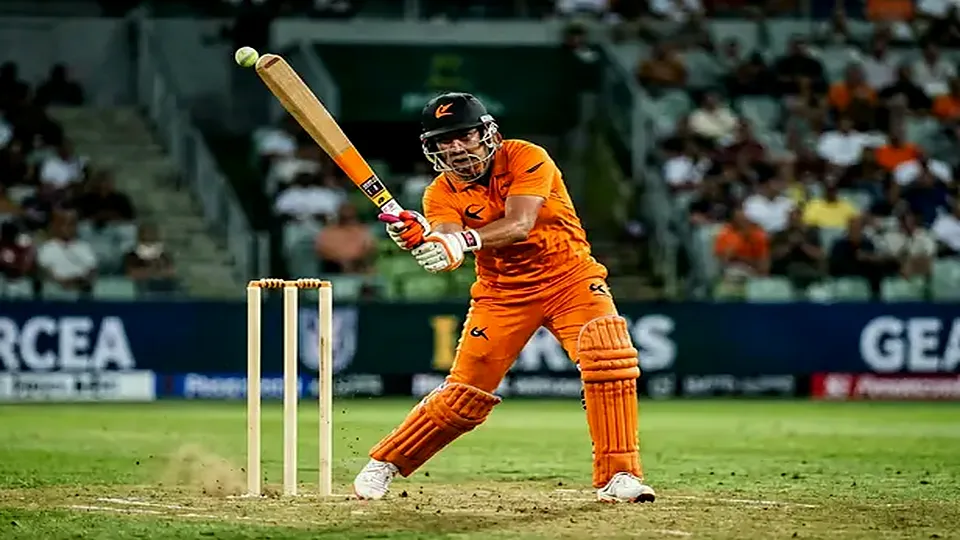
Forty-two runs for three wickets. That is where the dream died. The Bengaluru deck looked like a typical red-soil trap—sticky in patches, offering just enough nip to make the openers sweat—but India played it like a Sunday league friendly. There was no respect for the skiddy hard length the Kiwis were hitting. Just a series of hopeful lunges and a few desperate edges to the slips.
The dressing-room chatter during the innings break was predictably grim. We’ve seen this movie before. India enters a series with a bloated sense of superiority, only to be dismantled by a New Zealand side that treats T20 cricket like a surgical operation. They didn't just win; they suffocated us.
The Middle-Overs Choke
The real disaster, however, happened between overs 7 and 14. It was a classic middle-overs choke. The boundary-percentage plummeted. The strike rotation vanished. It felt less like a professional international match and more like watching someone try to decode a complex milan night panel chart—lots of staring at the patterns, zero actual progress, and a mounting sense of desperation.
Why does this keep happening? The Impact Player gamble failed miserably here. Bringing in an extra bowler when the required rate was still manageable was a tactical blunder of the highest order. You don't tighten the screws when your own batting line-up is already gasping for air. It was a move born of fear, not strategy.
Bowling at the Death
When India finally got the ball in their hands, the dew factor after 8:30 PM IST turned the match into a sliding-scale lottery. The ball was a soap bar. The seamers were bowling into the pitch, lacking the zip required to unsettle the Kiwi lower order. There was no variety. No wide yorkers. Just a predictable length that New Zealand treated with utter contempt.
"We thought the surface would hold, but the ball just skidded through. We were chasing shadows for ten overs," a source close to the camp whispered post-match.
The lack of a plan for the death overs is becoming a systemic failure. We rely too heavily on raw pace and not enough on the deceptive slower-ball bouncers that actually work on these hybrid tracks. The result? A flurry of boundaries that took the game away in a matter of three overs.
The Blueprint for the Next Two
If India wants to avoid a whitewash, the blueprint needs a total overhaul. The current approach is too rigid. They are playing a 2018 style of cricket in a 2026 world. The aggression is there, but the intelligence is missing. We need a Ranji-style grind in the middle overs—calculated risks, not blind swings.
- Stop the lunges: The openers must stay inside the crease against the new-ball burst.
- Fix the rotation: Single-digit over rates in the middle are a death sentence.
- Death-over discipline: Stop bowling full-tosses at the base of the stumps.
New Zealand played the percentages. India played a gamble. In the high-stakes environment of a T20I, the house usually wins. Right now, the Kiwis are the house, and India is just another punter losing their shirt on a sticky Bengaluru wicket. The second T20I isn't just about a win; it's about recovering some shred of tactical dignity.
Related coverage
- Milan Night Panel Chart: Inside BCCI's 2026 Schedule & Olympics Crunch
- Kohli’s Mid-Overs Blitz Crushes NZ: The Milan Night Panel Chart Data

Updated 2026-11-07 · Instant Rupee Deposits & 60s Withdrawals · 24/7 Support.
Access Official VMagazine Portal →Senior Data & Chart Analyst · Chandigarh Desk
Sakshi Kapoor heads the statistical modeling desk at VMagazine in Chandigarh. She specializes in ball-by-ball telemetry, historical chart patterns, and data verification for milan night panel chart.
Reader Discussion & Match Reactions (4)4.8★ Community (4 Comments)
Verified Indian cricket reader perspectives & tactical debate on vmagazinespain.com
42/3 and the game was basically gone right there. Overs 7-14 tell the real story: boundary percentage flatlined, strike rotation vanished, and NZ's skiddy hard length just piled up dots. Also the Impact Player call - extra bowler with the required rate still manageable - screams panic move to me.
Everyone's raging at the one Impact Player blunder, but 42 for 3 on a deck that gripped tells an older story. That's what a decade of the board's Impact Player era produces: one-dimensional batters who can't graft on red soil. The selectors, not one panic sub, own this choke.
That middle-overs choke in overs 7-14 is what happens when the XI is picked on IPL hype instead of SMAT and WPL innings actually built on red-soil tracks like this Bengaluru one. The hopeful lunges and slips edges? We see the same rot every Ranji season. State coaches could fix it, if selectors asked.
@Saurabh_NRR agreed on the panic call, but the extra bowler only backfired once dew kicked in after 8:30 PM IST - grip was gone and NZ's skiddy length had already done the damage on that sticky red-soil patch. Those desperate edges to the slips inside that 42/3 set the whole tone.