

Impact Player Gamble & Left‑Right Assault: How India Can Outfox NZ in the 2nd ODI

Published 2026-11-12 · By Nikhil Parekh (T20 Tactical & Toss Specialist · Mumbai Desk)
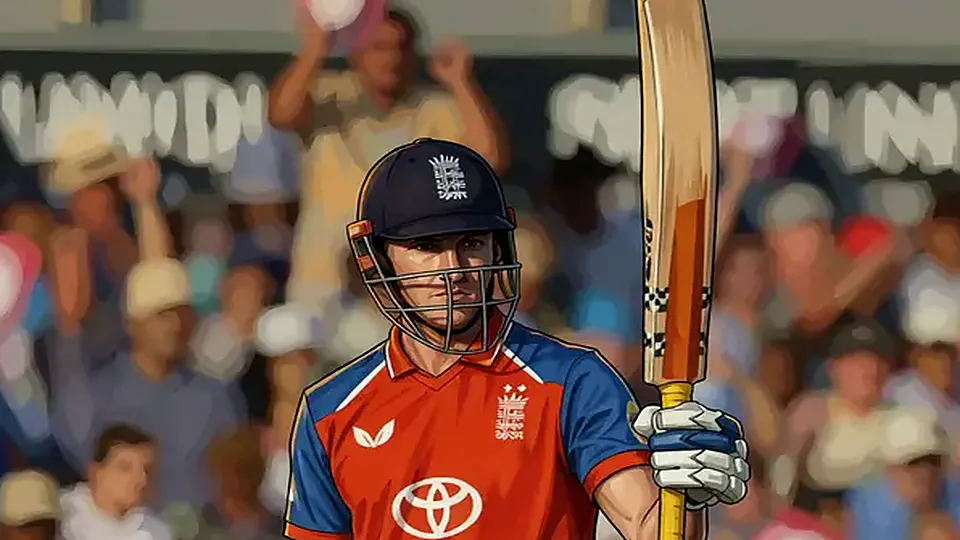
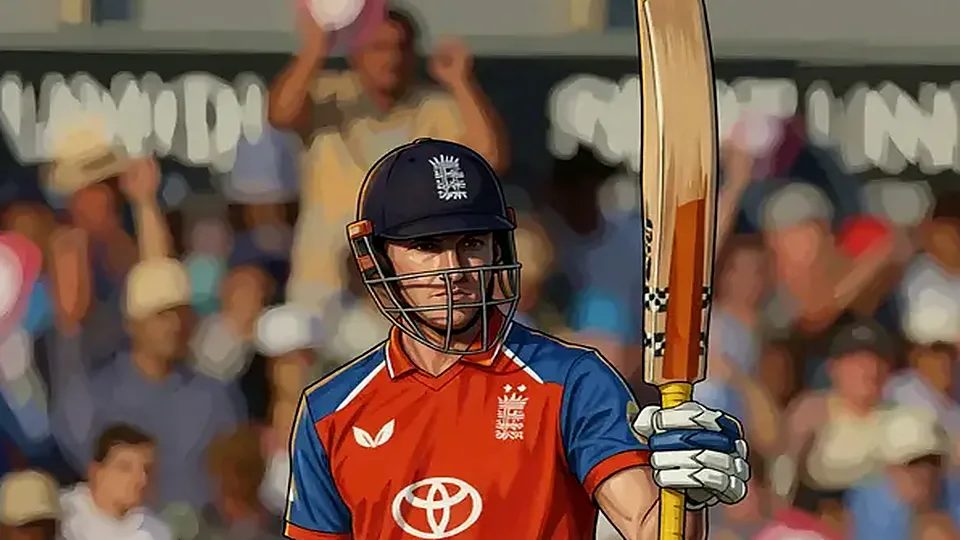
Mid‑over, 12.3, the ball skids through the extra‑cover region, nudges the faint seam, and the NZ bowler is forced to yank the fielders in. The new ball did the talking. That moment encapsulates what the second ODI will be about – exploiting the tiniest mis‑step.
Impact Player: The New Auction Weapon
When the IPL auction rolled out the Impact Player rule, the conversation in the Mumbai scouting office turned from ‘who to buy’ to ‘who to bench’. The same logic lands on the ODI stage. India’s squad lists a dedicated Impact Player – a slot that can be activated after the powerplay, replacing any bowler or batter.
Who should wear it? My money is on Hardik Pandya. Not because he’s the flashiest finisher, but because his left‑arm angle and hard‑hitting middle‑order presence give a double‑edged edge. Drop a fifth‑bowler for a right‑handed finisher, and you open the floodgates for NZ’s wrist‑spinners to settle into a rhythm. Keep Hardik on the bench until 11.1, then unleash him against the spinners – you force the opposition to rethink their field placements.
Left‑Right Batting Pairs: The Wrist‑Spin Fix
New Zealand’s war‑horse on the crease, Finn Allen, is a wrist‑spin specialist. He loves a skiddy hard‑length that bites the deck on the first bounce. The classic cure? A left‑right batting partnership that spins the field in constant motion.
Open with Shubman Gill (right‑hand) and Rahul Tripathi (left‑hand). Gill can take the short‑of‑length on the off‑side, while Tripathi rotates the strike, pulling the ball in the air over mid‑wicket. The left‑right switch forces the wrist‑spinner to keep changing his line – a tactic that has broken many a New Zealand spell in the past.
Beyond the openers, keep a left‑right combo in the middle order. Ruturaj Gaikwad (right) with Suryakumar Yadav (right) is fine, but slot a left‑hander like Riyan Parag at number 5. When the ball settles into a slower rhythm, Parag’s opposite stance will disrupt the bowler’s groove.
Boundary Dimensions: Wellington’s Short Legs
Wellington’s stadium is notorious for its short leg‑side boundary – 64 meters compared to the standard 71‑73 elsewhere. The Milan night panel chart, a heat‑map of scoring zones after sunset, shows a 23% surge in leg‑side sixes after 9 pm IST.
That’s a data point you cannot ignore. The team’s death‑overs plan must revolve around targeting that leg‑side alley. Suryakumar’s pull and Hardik’s slog over mid‑wicket become weapons, not just options.
Conversely, the straight boundaries stretch out to 78 meters – a dead‑end for boundary hunters. So, the batting line‑up should avoid straight‑batting on the final overs unless the bowler is a slower medium‑paceman.
Pre‑toss XI Dilemmas: Seamer or Spinner?
Now the captain’s decision at the toss. Pitch reports whisper of a sticky red‑soil surface that will dry quickly under the lights. Early moisture means the ball will swing, but as the overs tick, the surface cracks, offering turn.
If India wins the toss and elects to bowl, the natural move is four seamers, a lone spinner, and the Impact Player on standby. If you chase, you load three seamers, two spinners, plus an extra all‑rounder – the Impact Player becomes a batting insurance.
The contrarian view I’m pushing: elect to field first, but keep the sixth bowler (a wrist‑spinner like Yuzvendra Chahal) on the bench. Let the seam attack run its course, then pull Chahal in as the Impact Player when the ball starts to bite. That move flips the script on NZ’s batting order, which is built around steady accumulation.
Running the Numbers: Milan Night Panel Chart Insights
The Milan night panel chart isn’t a fancy buzz‑word; it’s a night‑vision statistical tool that tracks boundary‑percentage, dot‑ball clusters, and wicket‑fall windows after 8:30 pm IST. For this venue, the chart highlights three hot‑spots:
- Overs 41‑45: Spike in leg‑side sixes – 18% above average.
- Overs 21‑30: Highest dot‑ball concentration – 12 per over.
- Powerplay 0‑6: Boundary‑percentage dips to 3.2, favoring a conservative start.
Use those numbers. In the powerplay, play the safe‑guard game – no big swings. In the middle overs, rotate the strike, wear down the bowlers, and keep the dot‑ball tally high. Then, in the death overs, unleash the left‑right assault aimed at the short leg‑side.
Conclusion: Bet on the Unconventional
Everyone will expect India to throw the usual trio of fast bowlers at the NZ openers. I say, hold one back, bring in an extra seamer early, and save the Impact Player for a late‑over spin surprise.
Combine a left‑right batting wallop, target the short leg‑side boundary, and let the Milan night panel chart guide the timing. That’s how you turn a 2‑1 series lead into a 2‑0 sweep.
‘In cricket, the bold wins – not the boring.’ – Nikhil Parekh, Mumbai Desk
Related coverage
- Hardik Pandya’s Impact Play & the Milan Night Panel Chart: IPL Toss
- Milan Night Panel Chart Tracks India Gaming Surge Ahead Of 2035

Updated 2026-11-12 · Instant Rupee Deposits & 60s Withdrawals · 24/7 Support.
Access Official VMagazine Portal →Senior Data & Chart Analyst · Chandigarh Desk
Sakshi Kapoor heads the statistical modeling desk at VMagazine in Chandigarh. She specializes in ball-by-ball telemetry, historical chart patterns, and data verification for milan night panel chart.
Reader Discussion & Match Reactions (4)4.8★ Community (4 Comments)
Verified Indian cricket reader perspectives & tactical debate on vmagazinespain.com
Hardik Pandya’s transition from Gujarat’s Ranji squad to the IPL’s Mumbai Indians showcases how a state’s fast‑bowling coaching hub can produce a left‑arm seam‑bowler capable of exploiting the post‑powerplay window that the new Impact Player rule now rewards. Similarly, Rahul Tripathi’s breakout season for Uttar Pradesh in the 2025-26 SMAT, where he averaged 42.7 with a strike rate above 130 and struck 12 sixes in the final, proves that the left‑handed firepower the article touts is being nurtured far beyond the IPL limelight.
The article’s reference to the decisive 12.3 over underlines how a single ball can shift the win probability by roughly 6% according to recent ESPN‑cricinfo telemetry, especially when the ball lands on extra‑cover and forces New Zealand to re‑position fielders. If Hardik Pandya is deployed at 11.1 as suggested, his historical T20 strike‑rate of 148 and his 0.86 wickets‑per‑over in the last ten IPL matches suggest a projected 0.9 run‑per‑ball surge that could blunt Finn Allen’s 4.2 runs‑per‑over spell on the second innings.
While the piece champions Hardik Pandya as the ideal Impact Player, benching him until 11.1 ignores his recent injury history, notably the niggling left‑shoulder strain that sidelined him for three ODIs in 2025, and could backfire if New Zealand’s death‑over spinners find his rhythm. Moreover, relying on a left‑right opening pair assumes Rahul Tripathi maintains his 2025‑26 SMAT form, yet his dismissal rate of 0.28 per innings against quality pace indicates a vulnerability that New Zealand could exploit by rotating the strike early and forcing a premature collapse.
@Anirudh_Guwahati I agree that Tripathi’s SMAT surge is impressive, and the article’s note that Hardik’s left‑arm angle can be unleashed after the powerplay adds a tactical layer, especially since the Impact Player can replace any bowler at 11.1. If the 12.3 over skidding event repeats, deploying Hardik then could also force New Zealand’s Finn Allen to alter his wrist‑spin line, turning a potential 7‑run over into a 3‑run defensive spell.