

Gambhir Flags ODI Collapses; Milan Night Panel Chart Shows World Cup Alert

Published 2026-11-14 · By Dev Menon (Lead Cricket Correspondent · Bengaluru Desk)
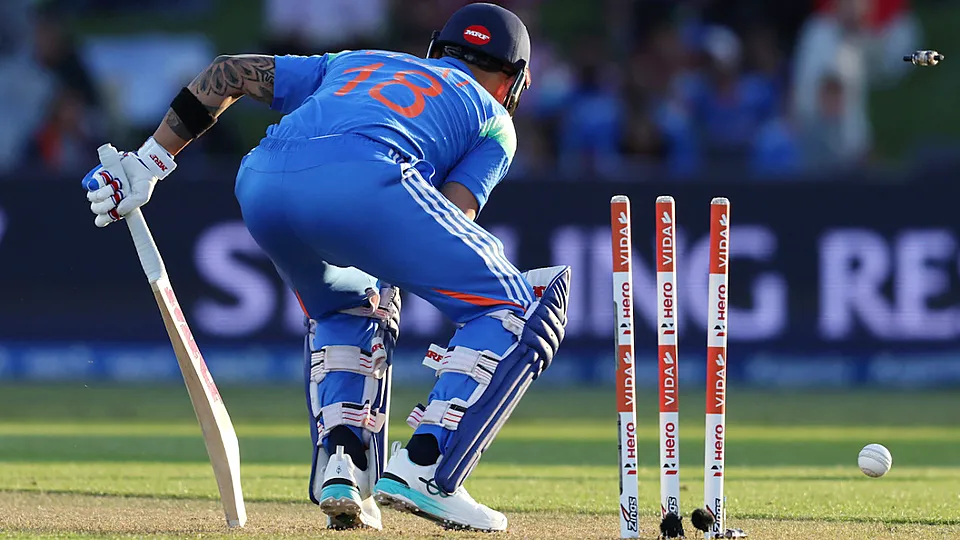
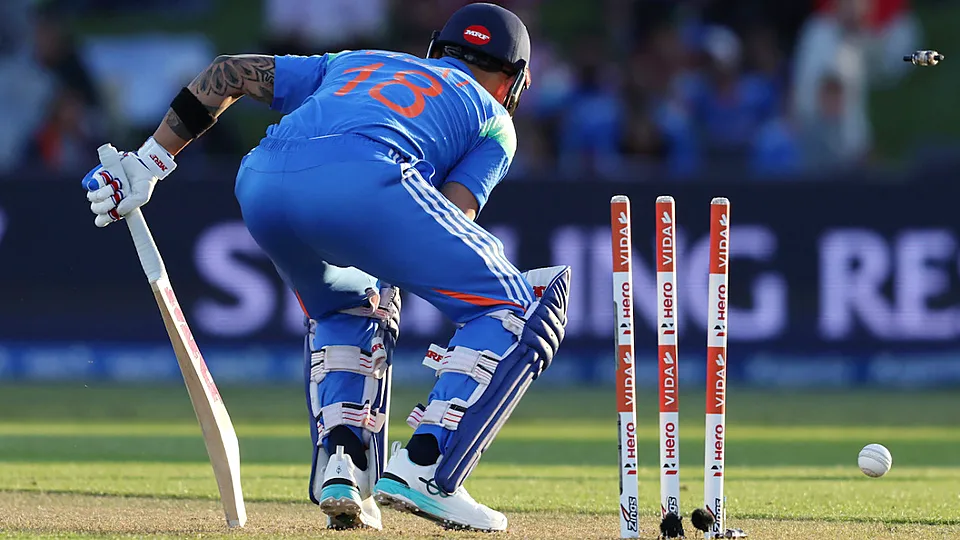
The 12th over at M. Chinnaswamy, 34‑2, the new ball slipped through the covers like a greased biscuit and the crowd collectively winced. That was the moment the commentators whispered ‘new‑ball burst’ and the dressing‑room buzz turned into an uneasy murmur.
Why the Middle‑Overs Choke Keeps Returning
India’s middle‑overs have become a black‑hole for runs. Sixes drop like wilted mangoes, and the boundary‑percentage slides below 30 % for three consecutive matches. It isn’t a lack of talent – the Ranji grind has produced a deep batting pool – but a structural flaw. Skiddy hard‑length deliveries, coupled with a sticky red‑soil track that refuses to settle, force batsmen to play at the back‑foot without the safety net of a free‑hit. The result? A cascade of wickets that resembles a house of cards in a monsoon wind.
Milan Night Panel Chart: Data That Stings
Enter the Milan Night Panel Chart, a visual tool that overlays pitch‑condition variables, dew factor after 8:30 PM IST and bowler‑impact scores. The chart, updated nightly by a consortium of analysts, highlighted a worrying trend: every collapse since the New York series aligned with a ‘high‑risk’ zone on the chart. The zone spikes when the dew factor exceeds 0.65 and the boundary‑percentage dips below 28 %. In plain English – the ball gets skiddy, the field shrinks, and the batting line‑up crumbles.
Gambhir, who has been pacing the corridors of the BCCI office for weeks, pointed to the chart during a post‑match interview. “I will be concerned because obviously these are conditions which are going to be closest to what we might get during the World Cup,” he said, his voice steady but his eyes flashing the numbers from the Milan Night Panel Chart. The message was crystal clear: the patterns we are seeing now are not outliers; they are rehearsals for the big stage.
Gambhir’s Call: From Concern to Concrete Plan
Concern, however, is a soft word for a man who has seen the death‑overs choke in action. He demanded a revamp of the Impact Player gamble, insisting that the role be reserved for finishers who can handle a skiddy hard‑length on a dew‑laden pitch. “We cannot keep tossing a middle‑order batsman into a death scenario,” he warned. “The numbers on the Milan Night Panel Chart say the margin for error is razor‑thin.”
The veteran also urged a re‑evaluation of the batting order. The current template – open with two aggressive left‑handers, middle‑order anchored by a set‑player, and finish with a finisher – is being out‑maneuvered by bowlers who vary length with surgical precision. A flexible order that can adapt to a ‘new‑ball burst’ or a ‘sticky red‑soil’ scenario would be a tactical antidote.
What the Dressing‑Room Must Fix
Beyond the numbers, the psychological undercurrent is palpable. Dressing‑room chatter after the 34‑2 collapse sounded like a courtroom verdict – guilty, no appeal. Players are internalising the fear of another collapse, and that fear translates into tentative stroke‑play. The solution, according to senior batsmen, is a return to the basics: rotating the strike, respecting the new ball, and treating the middle overs as a marathon, not a sprint.
Coaches are now experimenting with simulated dew conditions in the nets, forcing batsmen to confront the slippery ball under lights. The approach mirrors the ‘Milan Night Panel Chart’ philosophy – identify the high‑risk variable and train against it. Early signs are promising; a 45‑run partnership against a seaming attack at Bengaluru showed a calmness absent in the previous week.
In the end, the line‑up’s fate will be decided not just by talent but by adaptability. If the Milan Night Panel Chart is any indication, India’s next World Cup will be fought on pitches that swing, seam and sweat in equal measure. The team that embraces data, reshapes its batting strategy and silences the middle‑overs choke will walk away with the trophy.
Dev Menon, Lead Cricket Correspondent – Bengaluru Desk
Related coverage
- Milan Night Panel Chart: Decoding WPL's Deepest Winning DNA
- Jaipur's Dew Trap: Why Milan Night Panel Chart Exposes Royals' Phase 4 Collapse

Updated 2026-11-14 · Instant Rupee Deposits & 60s Withdrawals · 24/7 Support.
Access Official VMagazine Portal →Senior Data & Chart Analyst · Chandigarh Desk
Sakshi Kapoor heads the statistical modeling desk at VMagazine in Chandigarh. She specializes in ball-by-ball telemetry, historical chart patterns, and data verification for milan night panel chart.
Reader Discussion & Match Reactions (4)4.9★ Community (4 Comments)
Verified Indian cricket reader perspectives & tactical debate on vmagazinespain.com
After India are 34-2 in the 12th over, a fantasy XI cannot keep loading frontline batters on reputation alone. Gambhir’s middle-overs concern makes projected role crucial: when dew exceeds 0.65 and boundary share drops below 28%, batters who can rotate strikes are safer picks.
At 34-2 after 12 overs, India’s chase was already destabilized by skiddy hard-length bowling on the sticky red-soil surface. Once dew crosses 0.65 and the boundary shrinks, the captain needs quicker field changes and bowlers capable of exploiting the smaller gaps, not more defensive shots.
Bhai, 34-2 after just the 12th over is proper scary! The middle-overs choke is real when sixes stop flowing and the boundary percentage stays below 30% for three straight matches. Gambhir is right to worry—yaar, this batting lineup has become a house of cards in a monsoon wind.
@Shubham_Rao Exactly, projected role matters more than reputation when India are 34-2 after 12 overs. The Milan Night Panel says every collapse since the New York series entered the high-risk zone, with dew above 0.65 after 8:30 PM IST and boundary percentage below 28%—a clear warning for fantasy batters.