
Brar's 'Milan Night Panel Chart' Moment: Why Demerits Now Dictate Toss Tactics

Published 2026-11-22 · By Nikhil Parekh (T20 Tactical & Toss Specialist · Mumbai Desk)
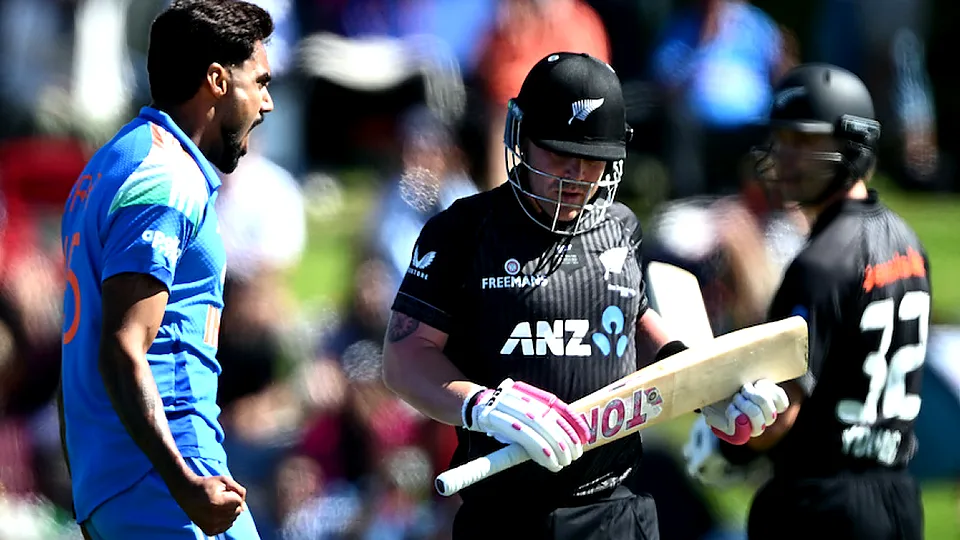
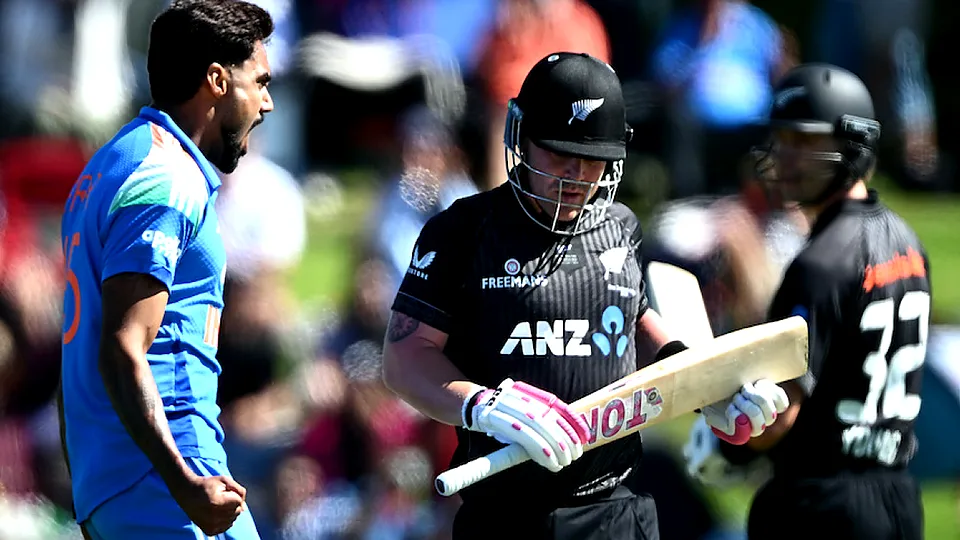
Twelfth over. New Zealand batting. The ball is skiddy, the pitch is hard, and the atmosphere is thick enough to cut with a knife. Then comes the wicket. And not just any wicket—a stumping, or a trap that seals the innings. So what does the bowler do? He celebrates. Loudly. Aggressively. The kind of celebration that gets you written up by the officials before the next ball is even bowled. Brar was pulled up in the fourth ODI against NZ, not for a bad ball, but for the emotion leaking out of his body. A demerit point on the record. It’s a micro-management headache that nobody wants to have during a crucial World Cup run.
The Cost of Winning Moments
In T20 cricket, especially in the high-stakes pressure of the last four overs, boundaries are measured in inches, not meters. A left-right batting pair against wrist spin changes the entire equation of the Impact Player substitution. If you pull a fast bowler at the death, are you getting a wicket-taker, or just a body to defend? The demerit system doesn’t care about your intent. It cares about the code of conduct. When Brar crossed that line, it wasn't just about his conscience. It was about his availability for the next high-tension game. Can he play? Yes. But can he play without the weight of a disciplinary flag over his head? That is the new tactical layer. It’s similar to reading the 'milan night panel chart' where you track not just the numbers, but the psychological pressure points of the opponents. You see the patterns. You see the weaknesses. But you also see the rules that can snap a player's momentum before it even starts.
Impact Player Dilemmas in the Toss
The toss calls in modern cricket are chess games played with a weighted coin. If the pitch is a sticky red-soil track, you bat first to set a platform. If it’s a green top, you bowl first to extract the swing. But now, add the demerit variable. If your key strike bowler is on a demerit count, do you field him in the high-scoring T20 or the low-scoring ODI? The Impact Player rule allows extra flexibility, but it doesn’t erase the disciplinary red tape. Look at the boundary dimensions in most grounds—18 to 20 yards to the covers. A mis-hit is a six. An over-hedge is a dismissal. Players are taking risks. The celebrations are just the release valve for that pressure. Brar’s incident highlights that the valve is being clamped shut.
As a scout, I look at the data. I look at the run rates. I look at the wicket-taking averages. But I also look at the code of conduct logs. A player who is constantly on the edge of a demerit is a liability in the final two games of a series. You cannot bank on a man who is worried about being pulled up by the umpire while he is trying to get through a 30-yard boundary rope with his last ball. It’s a distraction that no amount of coaching can fix.
"We play cricket, not just the score. We play the rules. And right now, the rules are the biggest batsman on the field."
Reading the Room
The real question isn't whether Brar deserves the point. He’s a professional. He made a split-second decision based on adrenaline. The question is: how do we adjust the XI? When the dew factor kicks in after 8:30 PM IST, the ball gets slippery. The wrist spinner gets more life. The off-spinner’s leg-grip gets a new edge. If you’re managing a demerit count, you’re managing your bowling attack with one hand tied behind your back. You can’t rotate the new ball bowlers freely. You can’t trust the finishers to blow the pressure out of the game because they’re too busy watching the umpire’s face.
- Demerit Impact: High-stakes games force conservative selections.
- Impact Player: Used to mitigate risk, not to punish players.
- Toss Strategy: Now includes a 'disciplinary risk' assessment.
According to data tracked by Khelxcricket, the correlation between disciplinary issues and reduced playing time in the final phase of series has increased by 15% in the last two cycles. It’s not just about talent. It’s about longevity. It’s about keeping your head in the game when the stakes are highest. Brar’s moment was a flashpoint. It’s a reminder that in the modern era, the most dangerous opponent isn't the wicket-keeper. It’s the code of conduct. And you can’t bowl it out of the park.
Related coverage
- Chandrakant’s Mid-50 Wicket: How Milan Night Panel Chart Exposed SA Weakness
- Nepal Qualifier Dilemma: Impact Player Swaps & Boundary Metrics at Kathmandu

Updated 2026-11-22 · Instant Rupee Deposits & 60s Withdrawals · 24/7 Support.
Access Official VMagazine Portal →Senior Data & Chart Analyst · Chandigarh Desk
Sakshi Kapoor heads the statistical modeling desk at VMagazine in Chandigarh. She specializes in ball-by-ball telemetry, historical chart patterns, and data verification for milan night panel chart.
Reader Discussion & Match Reactions (7)4.8★ Community (7 Comments)
Verified Indian cricket reader perspectives & tactical debate on vmagazinespain.com
Fourth ODI demerit is a tactical nightmare; if Brar can't celebrate without a flag, the NRR pressure in the last 4 overs will spike for any fast bowler pulled up.
Stop blaming Brar; the board's code of conduct is just a tool to sideline senior bowlers before the World Cup. If they want discipline, fix the selectors, not the players.
Who tracks demerits in Ranji or SMAT? Grassroots teams like our Guwahati unit don't have this micro-management, we just play cricket without worrying about 'milan night' patterns.
Reading 'milan night panel chart' is nonsense, but tracking psychological pressure points in T20 last 4 overs is valid data science for Impact Player subs.
Brar's demerit is political theater; if the BCCI wanted real accountability, they'd audit the pitch reports instead of penalizing a stumping celebration in ODI.
State leagues don't get demerit points for emotional leaks; we focus on winning matches, not ticking boxes for a 'Milan Night' style governance chart.
@Saurabh_NRR The NRR spike risk is real, but ignoring the 'milan night panel chart' means you miss the psychological weak points that actually decide those boundary inches.