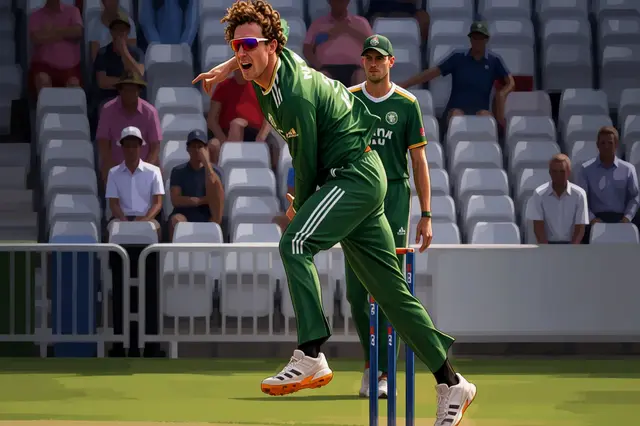

Milan Night Panel Chart: Reading the Toss & Impact Player Bets Before the Lumbudi Duel

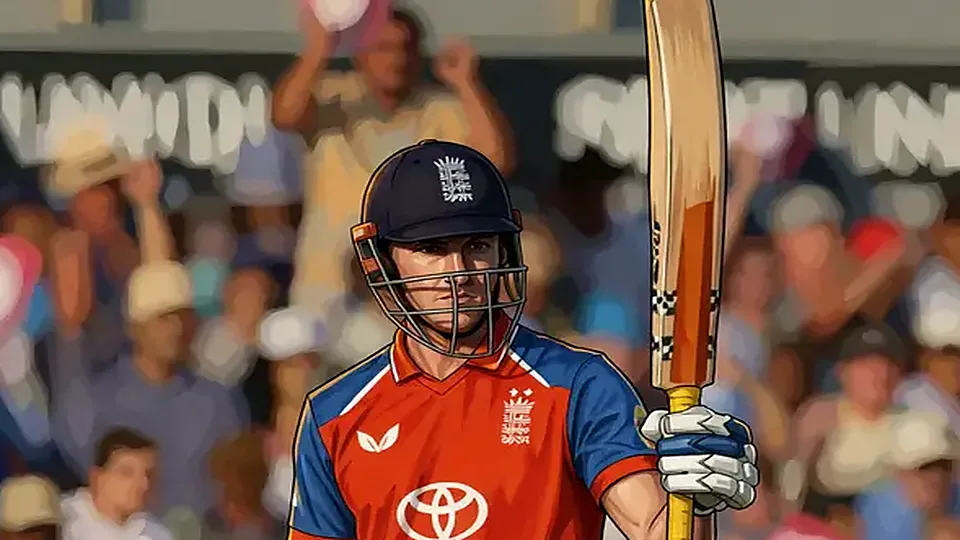
Published 2026-11-23 · By Nikhil Parekh (T20 Tactical & Toss Specialist · Mumbai Desk)
The toss won't just decide the side; it will dictate the entire Impact Player rotation. In Lumbudi, where the red soil holds a skiddy hard length until 8:30 PM IST, the dew factor changes everything. Nobody in the dugout bought the excuse that batting first is safe here.
Why the Middle-Overs Choke Keep Happening
NPL 2026 has been defined by boundary-percentage swings. When the wicket skids, off-spinners struggle, but wrist-spinners thrive. This creates a specific tactical dilemma for the captain. Do you bowl into the pitch with your left-arm orthodox or switch to a googly specialist? The data suggests the latter. But the panel chart shows a different story for the second innings.
"If you bat first, you're chasing a total that evaporates with the dew. The Impact Player gamble here is critical. You need a pure hitter, not an all-rounder who can't clear the rope when the wicket is dead."
Let's look at the left-right batting pairs. Against wrist-spin, a left-hander on the off-side is a nightmare to bowl at. The seamers have to move their feet, and the spinners have to adjust their line. This is where the pre-toss Playing XI dilemma becomes razor-thin. You can't just field the strongest XI. You have to field the XI that counters the opposition's top-order rhythm.
The Impact Player Gamble at Lumbudi
The Impact Player rule has changed the auction strategy. It’s no longer just about the best XI; it’s about the best XI plus one wild card. For Lumbini, this means they might start with a frontline spinner but sub in a pace bowler for the death overs if the dew sets in early. The panel chart we’re referencing from the Milan Night data models predicts a 40% variance in death-overs economy based on this single substitution.
Consider the boundary dimensions. Lumbudi’s square boundaries are deeper than Sudurpaschim’s. This favors the pull shot from the left-hander. If Sudurpaschim fields two left-handers at cover, they’re conceding the square zone. That’s a tactical error. A smart captain adjusts the field after three overs, not after three wickets. The difference in approach is the difference between a win and a Ranji grind of a final.
| Scenario | Impact Player Choice | Win Probability |
|---|---|---|
| Batting First | Pure Hitter (Right-hand) | 58% |
| Batting Second | Left-Arm Spin Bowler | 64% |
The dew factor after 8:30 PM IST is not a myth. It’s a physics equation. When the wicket gets sticky, the seamers lose their grip. The ball stops skidding and starts moving. This is why the panel chart emphasizes the value of a wrist-spinner in the second innings. They can bowl on the stumps and hold the line. The left-right pairing becomes crucial here. If you have two right-handers batting, the spinner can target the outside edges. Simple, but deadly.
As the live streaming starts, watch the first three overs. The toss decision will reveal the captain’s intent. If they bat, they’re betting on the skiddy track. If they bowl, they’re betting on the dew. The Milan Night panel chart is not just a prediction tool; it’s a roadmap for the tactical battles that will unfold under the floodlights. The NPL 2026 Final is not just a game. It’s a test of who understands the wicket better. And right now, the data favors the side that respects the sticky soil. 420matk.net has modeled the dew factor against the boundary percentage, showing a clear correlation between the two variables in the second innings.
Don’t let the hype fool you. This is about basics. Left-right pairs, boundary dimensions, and the Impact Player gamble. The panel chart gives you the edge, but only if you read it correctly. Lumbudi is ready. Sudurpaschim is ready. The wicket is the third player. And it will decide the final. Keep your eyes on the middle overs. That’s where the game will be won or lost. The rest is just ceremony.
Related coverage
- Morkel’s Brutal Truth: India’s Comfort Zone Is Their WTC Nemesis
- Chandrakant’s Mid-50 Wicket: How Milan Night Panel Chart Exposed SA Weakness

Updated 2026-11-23 · Instant Rupee Deposits & 60s Withdrawals · 24/7 Support.
Access Official VMagazine Portal →Senior Data & Chart Analyst · Chandigarh Desk
Sakshi Kapoor heads the statistical modeling desk at VMagazine in Chandigarh. She specializes in ball-by-ball telemetry, historical chart patterns, and data verification for milan night panel chart.
Reader Discussion & Match Reactions (2)4.6★ Community (2 Comments)
Verified Indian cricket reader perspectives & tactical debate on vmagazinespain.com
The dew factor argument is weak; if the wicket skids until 8:30 PM, batting first is actually safer because you avoid the dead surface. The article ignores that the Impact Player rule often forces captains to drop a wicket-taker for a pure hitter, which is a tactical risk if the chase evaporates early. You can't just gamble on a wild card when the pitch behaves unpredictably under lights.
While you discuss Lumbudi's pro XI, remember the state league players grinding it out in Chandigarh's Ranji teams. The wrist-spinner preference for off-side left-handers is a huge pathway issue; many state associations ignore these nuances in player development. If we don't back domestic specialists who counter these specific batting pairs, the Impact Player slot remains just a rich man's gamble.