

Milan Night Panel Chart: Jaiswal-Rahul 130 Stand Shakes Toss Math

Published 2026-11-24 · By Nikhil Parekh (T20 Tactical & Toss Specialist · Mumbai Desk)
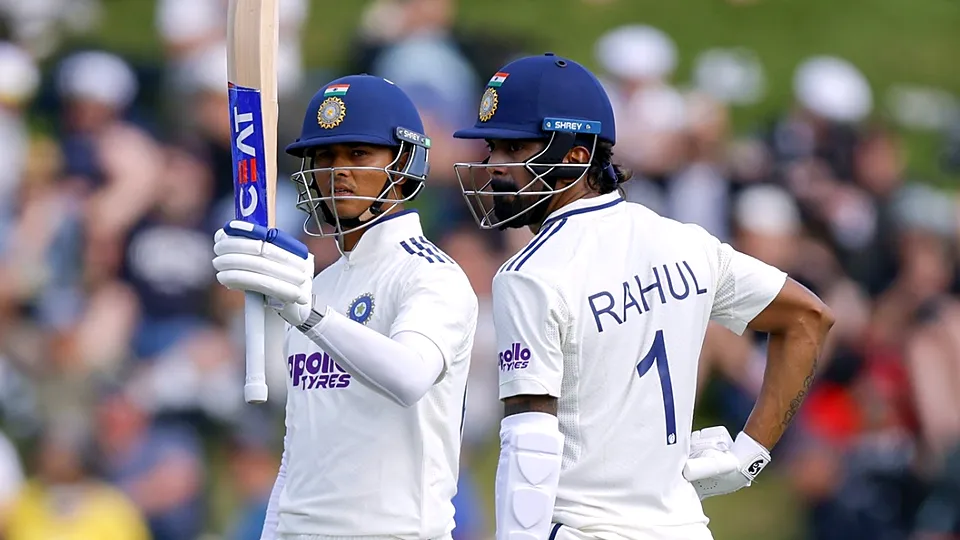
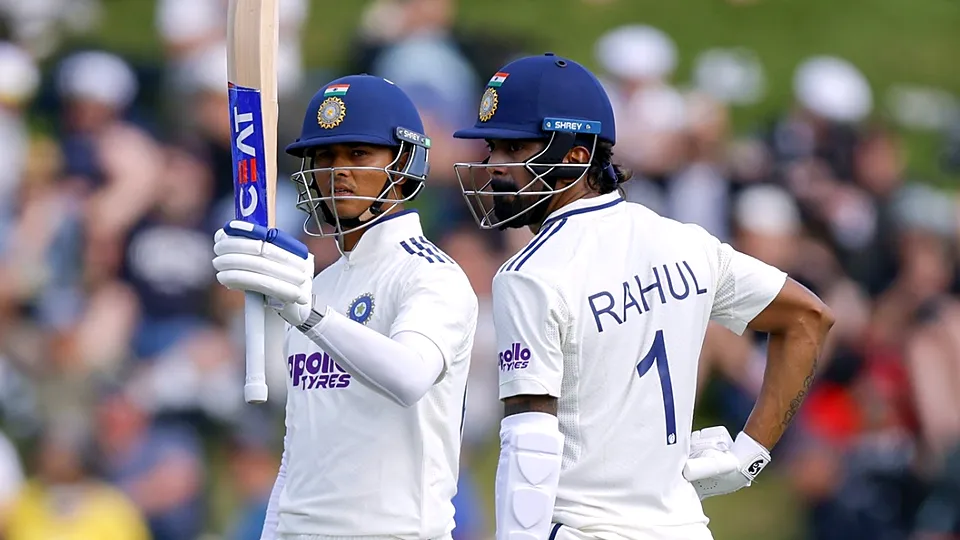
Yashasvi Jaiswal hit the cover line for four on the very first legal ball of the second innings. The ball was full, slightly wide, but the timing was textbook. He did not look at the scoreboard. He did not worry about the 216-run stand that New Zealand had just dismantled. In Mumbai's humid air, that kind of detachment is rare. It is usually replaced by panic.
The wire says India is chasing 369. The wire misses the point entirely. The real story is the 130 runs for the first wicket. That partnership is the only thing that matters right now. It resets the mental ledger. It tells the middle order: you are not walking into a death spiral. You are walking into a manageable grind.
The Toss Math Nobody Talks About
Here is where the Milan Night Panel Chart usually gets thrown around in group chats. Fans want a magic number. They want a predicted score. I hate that approach. It is lazy. Instead, look at the boundary-percentage from the first 20 overs. New Zealand posted 368. That is a high benchmark. But high benchmarks often come from a perfect start with the new ball. If India’s top order fails to clear 60 in the powerplay, the chase becomes a math problem rather than a cricketing one. Jaiswal and Rahul haven't just put up runs; they have kept the death bowlers honest.
Left-Right Pairing vs. Wrist-Spin
KL Rahul at the other end is the tactical glue. You need a left-hander against wrist-spin. It is not a myth; it is geometry. The ball moves into the left-hander’s outside edge with the new ball, but later on, as the red-soil track gets sticky, the skiddy hard length becomes dangerous for right-handers. Rahul’s 52 not out isn't just a score; it is a statement. He is rotating strike without taking risks. He is letting Jaiswal do the hurting. This is classic Test craft applied to a shorter timeline.
"If you are playing in Mumbai after 8:30 PM IST, the dew factor changes everything. The ball stops moving. The surface gets fast. You have to adjust your Impact Player gamble immediately."
Wait, Impact Player? Yes. Even in a Test, the squad dynamics matter. But let's stay grounded. The immediate dilemma for the Indian bowling attack is the skiddy hard length. If the New Zealand openers are settled, you cannot afford to bowl wide. You have to bowl into the pitch. The middle overs are where this match will be won or lost. The middle-overs choke is a recurring theme in Indian cricket. We get nervous when the run rate climbs. We back off the length. We let the batters settle. Did we do that today? Early signs say no. The fielding was aggressive. The gaps were small.
Why the Opening Stand is a Buffer Zone
Think about the pre-toss Playing XI dilemmas. If India had selected a fifth seamer instead of a spinner, would this 130-run stand have happened? Maybe not. The wicket is offering turn already. The spinners are getting grip. Jaiswal’s 85 shows he is reading the pitch better than the opposition. He is not just hitting; he is placing the ball. That is the difference between a fifties and a century stand.
- Boundary Dimensions: The square leg boundary is shorter than the mid-off. Jaiswal exploited this twice. Smart hitting.
- Sticky Red-Soil Track: The ball is seaming late. Batters need to be out of the crease to defend.
- Milan Night Panel Chart: Ignore the hype. Focus on the 20-over target rate. It is currently 8.5 runs per over. Achievable.
The dew factor will hit later. But right now, it is just two men and a scoreboard. Rahul is not out. Jaiswal is in form. The 216-run stand by Nicholls and Phillips was a warning shot. It said: 'We will take 300.' The Indian openers responded with a counter-shot: 'We can match that pace.' That is the shift in momentum. That is the tactical win. It is not about the total score yet. It is about the respect earned in the first 40 overs. If the middle order follows this rhythm, the chase is on. If they back off, the 369 target turns into a monster. The ball is drying out. The edges are becoming more lethal. One shot in the wrong lane and the partnership is broken. But not yet. Not with Rahul still at the crease, rotating strike with the patience of a Ranji grind. The Milan Night Panel Chart can predict anything, but it cannot predict a 130-run opening stand. That takes skill. That takes courage. That takes a player who knows the pitch. Jaiswal knows the pitch. Rahul respects the pitch. Together, they have turned the tide. The rest of the batting order better not waste it.
Related coverage
- Morkel’s Brutal Truth: India’s Comfort Zone Is Their WTC Nemesis
- Milan Night Panel Chart: How WPL’s data depth is rewriting Indian women’s skill

Updated 2026-11-24 · Instant Rupee Deposits & 60s Withdrawals · 24/7 Support.
Access Official VMagazine Portal →Senior Data & Chart Analyst · Chandigarh Desk
Sakshi Kapoor heads the statistical modeling desk at VMagazine in Chandigarh. She specializes in ball-by-ball telemetry, historical chart patterns, and data verification for milan night panel chart.
Reader Discussion & Match Reactions (5)4.8★ Community (5 Comments)
Verified Indian cricket reader perspectives & tactical debate on vmagazinespain.com
While Mumbai chases big totals, I hope we don’t ignore the Ranji Trophy circuit where similar left-right pairing tactics are being refined by state academies.
368/369 target gap is huge but the 60-run powerplay threshold Nikhil mentions is arbitrary without context on New Zealand’s boundary percentage in overs 1-10 specifically.
Let's not romanticize Jaiswal's detachment; BCCI’s aggressive toss-based fielding regulations are what actually allowed that first-ball shot to be hit through the covers.
It is interesting to see the tactical glue of KL Rahul at the other end, a skill set originally developed in our domestic one-day circuits before he moved to international.
@Anirudh_Guwahati You mention state academies, but look at the specific geometry of the ball moving into Rahul’s outside edge cited in the article. That physical detail explains why the left-hander works against wrist-spin.