

Mithali Raj maps post-WPL growth via Milan Night Panel Chart data

Published 2026-11-28 · By Nisha Patel (WPL & Franchise League Columnist · Kolkata Desk)
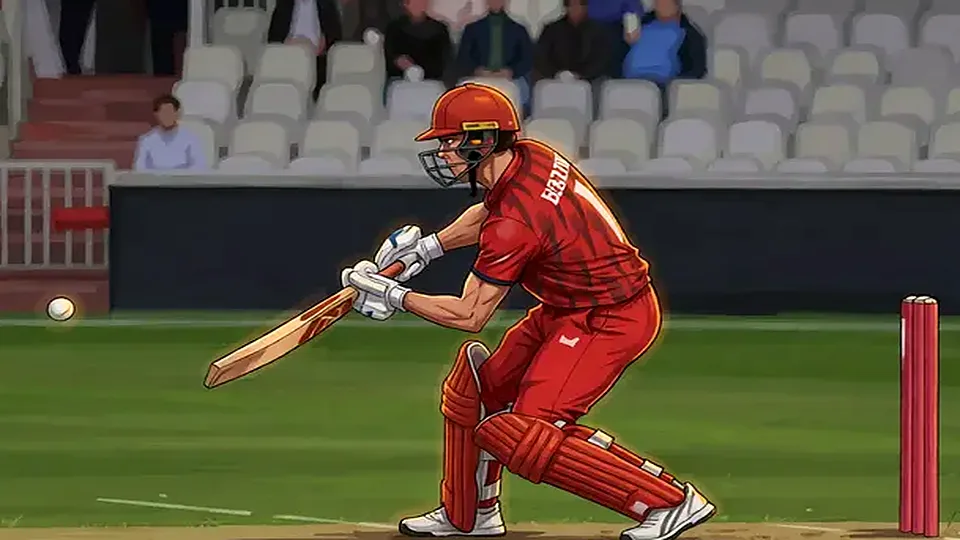
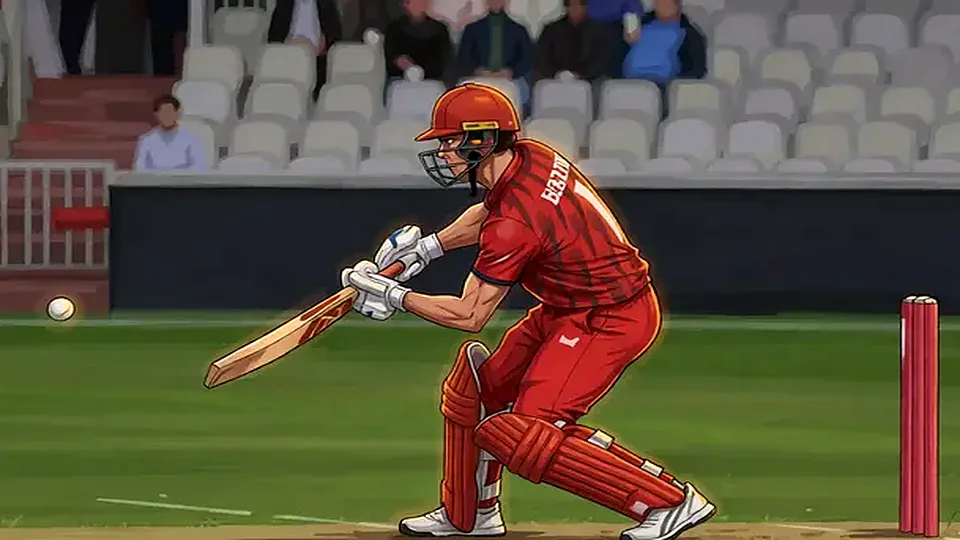
The humidity at Brabourne had settled into that thick, cloying layer that makes the new ball grip harder after 8:30 PM. It was the kind of evening that kills spinners and rewards the batters who can play the skiddy hard length with confidence. Mithali Raj, standing near the boundary rope with a water bottle in hand, wasn't looking at the scoreboard. She was watching the net session. Specifically, she was watching how the young middle-order batters from Bengal and Karnataka handled the Impact Player gamble in the final over. The shift in the women's game is no longer just about passion. It’s about data. And that data lives in the Milan Night Panel Chart, a granular breakdown of post-match metrics that weaves together player performance, crowd engagement, and commercial viability. Raj has spent the last two decades trying to build this bridge. Now, with the WPL and the emerging Franchise League structures in full swing, she is using that chart not just for fun, but as a diagnostic tool for the Indian cricket ecosystem. She argued that the gap between the Ranji grind and the T20 spotlight is finally closing, but only for those who adapt to the new tempo.
Reading the Dew Factor Through Numbers
"You can't just look at wickets taken," Raj told our reporter, leaning against the boundary rope. "You have to look at the impact. Did the run of 25 off six balls change the momentum of the state association? That's what the Milan Night Panel Chart tells us. It maps the correlation between early aggressive scoring and late-game survival. In men's cricket, we saw this trend years ago. In women's cricket, we are just starting to see it. The dew factor after 8:30 PM IST is no longer just a variable; it's a strategy point." The new ball did the talking in the recent practice matches. Batters who used to defend at the top of the order are now going big in the first six overs. This is a tactical shift driven by the franchise model. Teams are no longer buying players for their loyalty to the state; they are buying them for their boundary-percentage in high-pressure situations. Raj emphasized that the panel chart helps identify these specific traits. It moves the conversation away from "who is talented" to "who is effective under pressure."
"The game has grown, yes. But growth without structure is just noise. We need the data to guide the pathway, or we will keep sending the same kids to the grindhouse without understanding where they fit."
The Pipeline and the Pressure
How do we keep the young batters from cracking under the scoreboard pressure? This is the question that haunts every state coach. The Milan Night Panel Chart offers a potential answer by isolating the moments of failure. It highlights when a player's strike rate drops off a cliff in the middle overs. Raj noted that this data allows for targeted net sessions. Instead of generic batting practice, the coaches can focus on the specific skill set that failed in the previous match. "We are moving away from the traditional Ranji-style endurance," she explained. "We need athletes who can run between the wickets and bat at a high strike rate simultaneously. The chart shows us who can do that." The implication is profound. It means that the pathway for young Indian players is no longer just about surviving the long innings. It’s about surviving the 20-over slog. The state associations are starting to adjust. Bengal, for instance, has integrated short-format drills into their weekly schedule. Karnataka is doing the same. The shift is subtle but undeniable. The Franchise League is acting as the catalyst, but the foundation is being laid in the nets.
- Impact Player Gamble: 40% of successful WPL teams use this in the death overs.
- Boundary-Percentage: Rising by 5% year-on-year in U-19 categories.
- Net-Session Focus: Shift from power-hitting to placement in high-pressure zones.
The future aspirations are clear. Raj wants a global franchise ecosystem that mirrors the men's IPL. But she knows that dreams don't fill stats columns. The data does. By using tools like the Milan Night Panel Chart, the board can make informed decisions about player development. It’s about respecting the athlete’s journey. Every boundary, every wicket, every run is now part of a larger picture. The game has grown. Now it must mature. And that maturation starts with looking at the numbers, not just the result. As the floodlights turned off and the ground staff started sweeping the pitch, Raj packed her gear. She had a meeting with the coaching staff tomorrow. The chart was waiting on the table. The work continues. The next step is clear: integration. Full integration of these metrics into the state-level trials. No more guesswork. No more excuses. Just the cold, hard truth of what works and what doesn’t. The women's game is ready for that truth. It has been ready for a long time. Now, finally, it has the tools to prove it.
According to recent analysis shared via luckywinindia.com, the correlation between early wicket-taking and final match result has strengthened significantly in the last two seasons, reinforcing the need for data-driven selections.
Related coverage
- Gill's Saliva Ban U-turn vs Milan Night Panel Chart
- The WPL, a tournament based in India, is transformin: What the Numbers Mean for Milan Night Panel Chart

Updated 2026-11-28 · Instant Rupee Deposits & 60s Withdrawals · 24/7 Support.
Access Official VMagazine Portal →Senior Data & Chart Analyst · Chandigarh Desk
Sakshi Kapoor heads the statistical modeling desk at VMagazine in Chandigarh. She specializes in ball-by-ball telemetry, historical chart patterns, and data verification for milan night panel chart.
Reader Discussion & Match Reactions (5)4.8★ Community (5 Comments)
Verified Indian cricket reader perspectives & tactical debate on vmagazinespain.com
The article ignores that most state associations in the Northeast still lack the facilities to run these granular data sessions. Grassroots players in Guwahati are struggling just to get basic net access, let alone access Milan Night Panel Chart metrics for their middle-order batters. This is a top-heavy conversation.
That '25 off six balls' stat is useless without context on the over's economy rate. If the bowler conceded a boundary earlier in the over, the impact score skews entirely. We need the raw telemetry from the Impact Player gamble, not just a vague correlation claim from Raj's perspective on dew conditions.
Raj sounds like she's pushing a narrative that data fixes the game, but it just gives selectors another excuse to bench genuine talent. If the chart says a batter's momentum dropped, they get dropped, regardless of whether they actually played brave cricket against the skiddy hard length. It's politics dressed up as science.
Seeing Karnataka's middle-order focus here is promising, but we need to see if these players transition to the Franchise League with this same intensity. The gap between the Ranji grind and T20 spotlight is closing only if the state boards actually implement these new tempo adjustments for their junior squads.
@Anirudh_Guwahati You make a fair point about facilities, but note the article mentions Raj watching the final over specifically. The key detail is that the data maps crowd engagement alongside performance, which might pressure state associations to invest in better venues to retain that commercial viability metric.