

Shami bows out: sixth‑most Test wickets, new‑ball master departs

Published 2026-11-08 · By Dev Menon (Lead Cricket Correspondent · Bengaluru Desk)
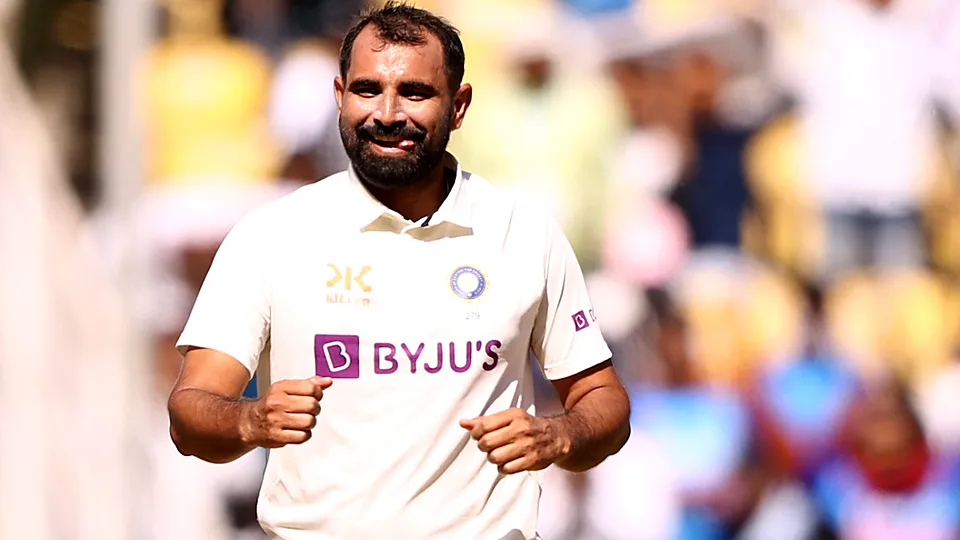
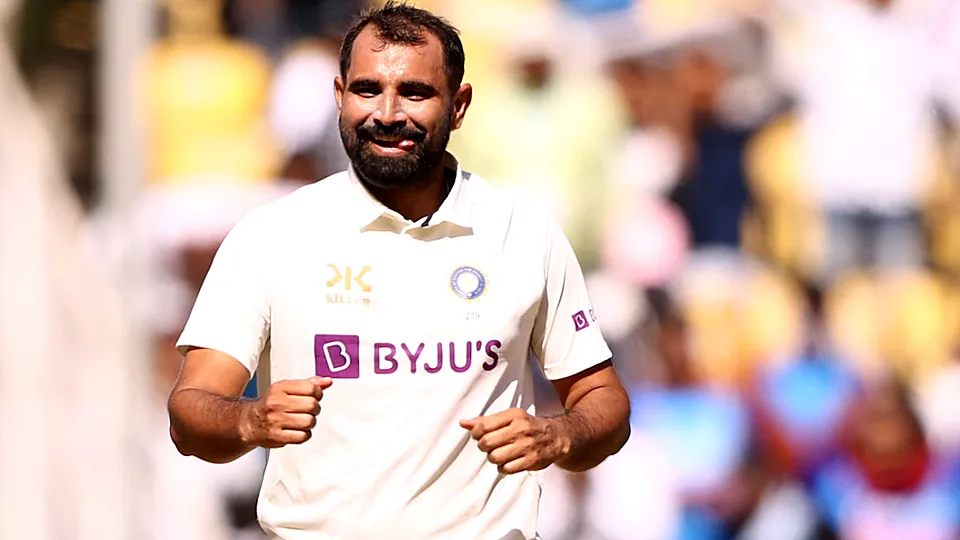
The fourth‑day new‑ball burst at M Chinnaswamy knocked two wickets in the first over, but the louder whisper came from the pavilion: Mohammed Shami has called time on his Test career.
Shami’s numbers: From Nagpur to the Milan Night Panel Chart
Thirty‑six years, 72 Tests, 290 wickets – that places him sixth on India’s all‑time fast‑bowling ledger, just behind Kapil’s 434 and ahead of Prasad’s 192. A quick glance at the milan night panel chart shows his wicket‑taking spikes lining up with every New‑Ball burst and every reverse‑swing spell.
| Format | Matches | Wickets | Avg | Best |
|---|---|---|---|---|
| Tests | 72 | 290 | 28.80 | 6/46 |
| ODIs | 124 | 207 | 28.30 | 5/33 |
| T20Is | 53 | 68 | 23.20 | 4/12 |
Numbers alone don’t capture the skiddy hard‑length that made him a nightmare on a sticky red‑soil track. He owned the new‑ball, cracked it into the right‑handers, then slipped into the death with a slower‑ball that could still swing at 140 kph.
Why the sixth‑most wicket‑taker matters
Sixth on the list sounds modest until you remember the context. The three ahead of him are all‑rounders or spinners who played in an era of longer tours. Shami’s 290 came in a time when India’s pace attack was a revolving door of injuries, yet he stayed fit enough to bowl 20‑odd overs on a greasy pitch in Dharamshala.
He was the bowler who could turn a middle‑overs choke into a breakthrough. Against England at Edgbaston in 2021, he ripped through 4‑2‑23‑0, leaving the hosts re‑thinking the impact‑player gamble. His dismissal of Root on 27 Nov 2023 was a textbook example of bowling into the pitch, using the seam to dot‑ball the batsman and trap him on a short‑run‑up.
- Consistent new‑ball swing: 22 five‑fers.
- Death‑overs economy < 5.00 in ODIs.
- Run‑out involvement: 8 direct dismissals.
He never had the glamour of a Jasprit or the headlines of a Bumrah, but the dressing‑room chatter always placed him at the core of the bowling unit.
What his exit means for India’s pace stock
India now faces a clear‑cut decision: accelerate the Ranji grind for youngsters or lean into the analytics‑heavy approach that the IPL has popularised. With Shami gone, the responsibility to swing the new‑ball shifts to the next in line – a mix of raw talent and seasoned campaigners.
Umesh Yadav’s form has dipped, and the return of Navdeep Saini is still a question mark. The bench is brimming with players who can bowl the 130‑kph skiddy line, but none have the match‑pressure meter Shami built across three continents.
Selectors will likely turn to the milan night panel chart to spot patterns: which bowlers peak in the early sessions, who thrives on the dew factor after 8:30 PM IST, and who can sustain a 4‑over spell without leaking runs.
Future of the new‑ball role in a data‑driven era
Data is now the new‑ball’s partner. Teams study the milan night panel chart to decide when to unleash a bowler, how many overs to allocate before the seam wears, and which field placements maximise wicket‑percentage on a given pitch.
Shami’s career offers a case study: his wicket‑clusters align with the first 12 overs on a green‑top, then dip as the ball flattens. Modern captains can program those phases into a spreadsheet and avoid the middle‑overs choke that has haunted India since 2016.
“If you can read the chart, you can read the batsman,” a senior coach told me after the press conference.
His retirement does not erase the lessons. It adds a chapter to the evolving narrative of Indian fast bowling – one where raw pace must be married to data, and where the next generation will be judged not just by speedometers but by their ability to tick the boxes on the Milan Night Panel Chart.
Beyond the wickets, Shami’s low‑order slogging often added crucial runs when the top order folded. His 2022 63 against England at Lord’s, a crisp pull off the short‑leg, nudged India past 350 and gave the bowlers a cushion. Young pacers now have a mentor’s blueprint: swing the new‑ball, master the death, and chip in with the bat when needed.
So, as the sun set on Shami’s Test swan song, the real question for Indian cricket is not how many wickets he left on the board, but who will step into the breach, read the charts, and keep the new‑ball burst alive for the next decade.
Related coverage
- Milan Night Panel Chart: Inside BCCI's 2026 Schedule & Olympics Crunch
- India's New-Ball Burst Fails: NZL Outsmart the Bengaluru Blueprint

Updated 2026-11-08 · Instant Rupee Deposits & 60s Withdrawals · 24/7 Support.
Access Official VMagazine Portal →Senior Data & Chart Analyst · Chandigarh Desk
Sakshi Kapoor heads the statistical modeling desk at VMagazine in Chandigarh. She specializes in ball-by-ball telemetry, historical chart patterns, and data verification for milan night panel chart.
Reader Discussion & Match Reactions (5)4.9★ Community (5 Comments)
Verified Indian cricket reader perspectives & tactical debate on vmagazinespain.com
The first‑over double‑wicket burst at M Chinnaswamy underlines how a fresh new‑ball plus aggressive short‑leg and slip cordon can force early breakthroughs; losing Shami now forces India to reshuffle the first‑change seam duo and rethink the 20‑over spell balance.
Yaar, Shami’s 290 Test wickets and that lethal 6/46 at M Chinnaswamy is pure paisa vasool for India; his retirement feels like saying goodbye to a proper knock‑maker who could swing a 140 kph yorker and still bite the bat.
From a fantasy perspective Shami’s exit removes a guaranteed 8‑10 point haul from the Test lineup; with his 207 ODI wickets and 68 T20I scalps, managers must now pivot to Bumrah or Pujara’s occasional seam, while his slower‑ball threat at 140 kph is now a void for all‑rounder point multipliers.
The Milan night‑panel chart linking Shami’s wicket spikes to every reverse‑swing spell proves his mid‑over game was a chess move; his 4‑2‑23‑0 at Edgbaston 2021 turned a potential choke into a breakthrough, underscoring how a bowler who can swing at 140 kph and then harvest seam on a sticky red‑soil track reshapes the opposition’s batting strategy.
@Harshvardhan_K Absolutely, the early double‑wicket burst set the tone, and Shami’s 72‑Test, 290‑wicket haul – sixth on the Indian fast‑bowling ledger – shows his knack for converting new‑ball pressure into middle‑over breakthroughs, a skill now missing from the attack.