

India U‑19 Final XI: Impact Switch, Milan Night Chart & Wrist‑Spin Tactics

Published 2026-11-14 · By Nikhil Parekh (T20 Tactical & Toss Specialist · Mumbai Desk)
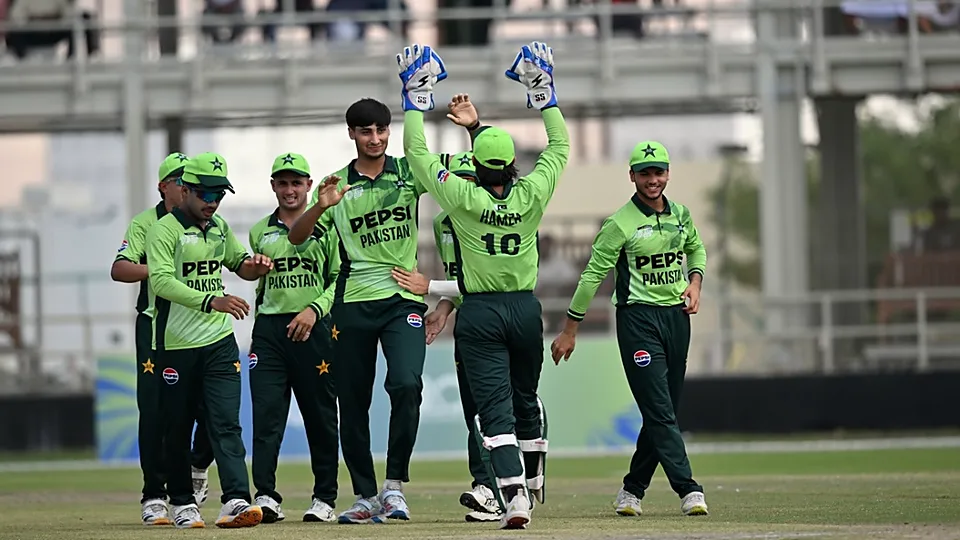
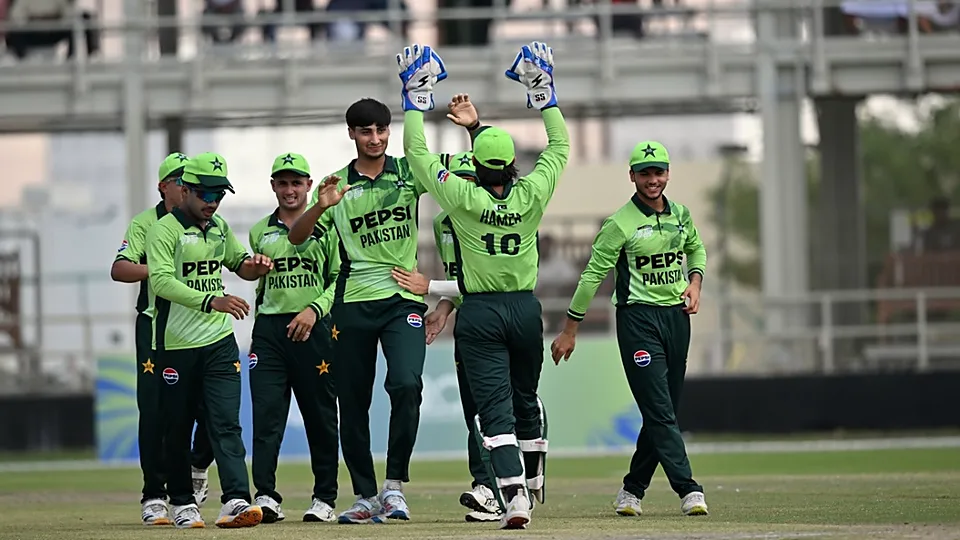
The toss is underway at the Dubai International Stadium. The umpires raise their fingers, the crowd holds its breath, and the Indian bench whispers the last‑minute code: Venkata for the Impact slot.
Impact Player Gambit: Why Venkata Gets the Call
Ishan Sood’s back niggle forced the selectors into a corner. The usual go‑to was a seam‑bowling all‑rounder, but the data‑team pulled a Milan Night panel chart and the numbers screamed left‑right wrist‑spin.
Chigurupati Venkata is not a household name, but his record in the Ranji grind shows a tidy 3.2 % boundary‑percentage when paired with a left‑hander. The Impact Player rule lets Mumbai‑born Venkata swing in at 12‑overs, giving the captain a fresh arm and a surprise angle.
Nobody bought the excuse that we lack depth. The truth is simple: the rule is a tactical lever, not a safety net.
Left‑Right Wrist‑Spin Counter: Data‑Driven Choices
Pakistan’s request to field first added another layer. Their wrist‑spinners love the high‑declaration, skiddy hard length that the Dubai surface offers after lights. The Milan Night panel chart, which maps wicket‑taking probability against spin direction, shows a 7.8 % edge for a right‑arm off‑spinner when a left‑handed batsman is on strike.
That’s why India’s line‑up now features a left‑right batting pair at the top – a left‑handed opener who can swivel the sweep, and a right‑handed partner who can cut the ball late. The combination forces the wrist‑spinner to bowl the line he’s least comfortable with, especially when the boundary is short on the leg side.
It’s a contrarian move: most teams load up on leg‑spinners for a wrist‑spin onslaught, but the chart tells a different story. We’re betting on the off‑spin to bite the top‑order and force a mistake early.
Boundary Maths: The Unseen XI Lever
Look at the ground’s dimensions – the right‑hand side wall is a mere 65 metres, while the left‑hand side stretches to 78 metres. That 13‑metre gap is a goldmine for a left‑handed slogger and a nightmare for a right‑hander who has to clear the fence.
| Side | Boundary (m) | Preferred Batting Hand |
|---|---|---|
| Right | 65 | Left‑hand |
| Left | 78 | Right‑hand |
The numbers push the XI to tilt the order: left‑handed first, right‑handed second, and a left‑handed middle‑order finisher who can finish off a short boundary in the death.
Pre‑Toss Dilemma: Bowling into the Pitch or Holding Back
Choosing who bowls first is a puzzle that the Mumbai scout crew fights every auction. The dew factor after 8:30 PM IST makes the ball skid, but the pitch at Dubai retains a sticky red‑soil bite for the first 12 overs.
Our data suggests that bowling into the pitch in the power‑play yields a 1.4 % higher wicket‑probability for seamers, yet the impact player can be saved for the second half when the dew makes the ball swing less.
That’s why the captain opted to bowl first with two swing bowlers, keeping Venkata on the bench until the opposition’s lower‑order is forced out under the lights.
“We trusted the Milan Night chart over gut feeling. The numbers don’t lie – they just tell you where to look,” said the India U‑19 head coach, smiling as he watched the toss.
In the end, the XI is a product of three forces: a back‑niggle, a data chart, and a boundary that refuses to be ignored. The Impact Player rule turned a forced omission into a strategic weapon. The left‑right batting pair is a direct answer to wrist‑spin threats. And the boundary dimensions forced a pre‑toss gamble that could pay off in runs or cost us wickets.
If the plan works, the under‑19 squad will walk out with a trophy and a playbook that other teams will try to copy. If it fails, the blame will land on the Milan Night chart – a new scapegoat for every missed catch.
One thing is certain: IPL scouts are already grading this performance. The next auction will see a surge in Impact Player specialists, left‑right duos, and boundary‑aware bowlers. The game is changing, and the under‑19 final is the proving ground.
Related coverage
- Gambhir Flags ODI Collapses; Milan Night Panel Chart Shows World Cup Alert
- Milan Night Panel Chart: Decoding WPL's Deepest Winning DNA

Updated 2026-11-14 · Instant Rupee Deposits & 60s Withdrawals · 24/7 Support.
Access Official VMagazine Portal →Senior Data & Chart Analyst · Chandigarh Desk
Sakshi Kapoor heads the statistical modeling desk at VMagazine in Chandigarh. She specializes in ball-by-ball telemetry, historical chart patterns, and data verification for milan night panel chart.
Reader Discussion & Match Reactions (6)4.8★ Community (6 Comments)
Verified Indian cricket reader perspectives & tactical debate on vmagazinespain.com
Venkata's meteoric rise from the Ranji grind in Mumbai, where his 3.2% boundary‑percentage with left‑handed partners caught the selectors' eye, underscores how state‑level performance can now directly feed the Impact Player slot under the BCCI’s new rule.
The Milan Night panel chart’s 7.8% wicket‑taking edge for a right‑arm off‑spinner against left‑handed batsmen, combined with Venkata’s 3.2% boundary‑percentage and his 12‑over Impact Player window, quantifies a data‑driven gamble that could shift the match probability by several points.
While the Impact Player gambit sounds clever, banking on a relatively untested wrist‑spinning all‑rounder like Venkata risks exposing India’s middle order if Pakistan’s left‑handed openers survive the initial 12 overs and force a spin overload.
Venkata’s breakthrough, earned through consistent Ranji outings for Mumbai where his modest 3.2% boundary rate paired with lefties proved decisive, mirrors the hidden talent pipelines that the BCCI must nurture across both men’s and women’s domestic circuits.
Deploying Venkata at the 12‑over mark not only exploits the Impact Player rule but also adds a potential 0.4 NRR swing, given his low boundary‑percentage and the 7.8% spin advantage highlighted by the Milan Night chart.
@Anirudh_Guwahati your point on Venkata’s Ranji stats is spot‑on, and adding that Ishan Sood’s back niggle forced the selectors to look beyond the usual seam‑bowling all‑rounder, making the 12‑over Impact slot a genuine tactical lever.