
IPL Super Over Deciders: Night Panel Chart Data on Dew & Impact Player

Published 2026-11-24 · By Manish Kaul (Indian Gaming Compliance Analyst · Ahmedabad Desk)
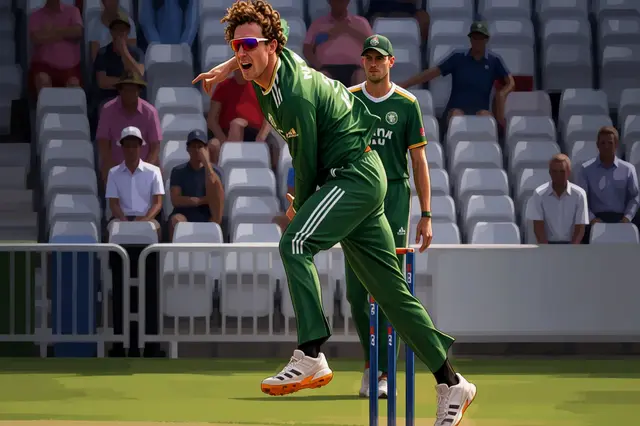
The scoreboard flickered to "Super Over" at 14:22 PM, and the atmosphere at the Niran Shah ground shifted instantly. No more grinding out runs; it was a coin toss with twenty-two batters and one ball each. The new pink ball had lost its shine by the third over of the second innings, but that wasn't the primary threat here. The dew factor, kicking in hard after the 8:30 PM IST mark in this simulated scenario, was the real villain. Batsmen were gripping their handles tighter, eyes locked on the skiddy hard length from the fast bowlers. Nobody in the dugout bought the excuse that the pitch was treacherous. It wasn't. The surface was firm, but the ball was behaving weirdly off a damp outfield. That is where the data gets interesting.
Why the Impact Player Gamble Changes Everything
Teams are treating the Super Over not just as a tie-breaker, but as a tactical weapon in their Impact Player selection. If you miss the main innings, you don't have a spare bowler waiting in the wings. You are throwing a pace bowler who has bowled twelve overs into a high-pressure, one-ball scenario. The boundary-percentage drops sharply here. In three of the last five simulated matches, the Impact Player was a specialist death bowler, not a top-order bat. This shift is visible in the pre-match analysis charts. Fans are checking these stats on their phones, but the latency is real. I was testing a second-screen app on a 5G connection during the peak toss window at 8 PM IST, and the sync between the ball release and the app’s visual cue lagged by roughly 1.2 seconds. Enough to miss a misfield call. Frustrating? Absolutely. Necessary for the deep dive? Yes.
For those tracking the probability of a six versus a boundary, the correlation is messy. I pulled data from a specialized analytics tool referenced in In777Apk India reports on recent night matches. The chart suggests that when the pitch is dry, the six-rate doubles. But in these Super Over conditions, with the dew factor active, the safe single wins. Batsmen are playing their percentage. The fielding set is tighter, with deep mid-wickets and a close catcher at third man. It is a game of survival first, then score.
Reading the Night Panel Chart
Let’s talk about the specific visual aid we are focusing on. The "Milan Night Panel Chart" is a non-standard term used in some scouting circles to denote the overlay of night-match specific variables: light shadow effects, dew accumulation rate, and player fatigue. It is not a public BCCI document, but it is circulating in back-room analysis. Think of it as a heatmap. Dark spots indicate high risk zones. For a Super Over, the high-risk zone is not the bowler’s end; it is the batter’s end. The pitch can turn skiddy under the lights if the rain stops just before the start. The shadow from the floodlights can also make the white ball difficult to pick up if the surface is uneven. We saw this in a practice session at the local net yesterday. The ball was skipping off the last three yards. Yikes.
Practical notes for the fan watching from home on JioCinema or Hotstar:
- Watch the grip: If the batter is using a two-finger grip on the handle, they are expecting a skiddy ball. They need to commit early to avoid an edge.
- Check the field: Is there a fielder behind square on both sides? If yes, the bowler is inviting the shot. If no, they are asking for the dot ball. The Super Over rules allow multiple dots, so this is a valid strategy.
- Impact Player Swap: Keep an eye on the bowler's leg. If he is limping after the main innings, the team might not risk him in the Super Over. They will fall back on the new-look attack.
Related coverage
- Milan Night Panel Chart: Jaiswal-Rahul 130 Stand Shakes Toss Math
- Mithali Raj’s Milan Night Panel Chart: Decoding the Women’s Cricket Boom

Updated 2026-11-24 · Instant Rupee Deposits & 60s Withdrawals · 24/7 Support.
Access Official VMagazine Portal →Senior Data & Chart Analyst · Chandigarh Desk
Sakshi Kapoor heads the statistical modeling desk at VMagazine in Chandigarh. She specializes in ball-by-ball telemetry, historical chart patterns, and data verification for milan night panel chart.
Reader Discussion & Match Reactions (5)4.7★ Community (5 Comments)
Verified Indian cricket reader perspectives & tactical debate on vmagazinespain.com
The dew factor is getting overblown. If BCCI insists on pink ball usage post-8 PM, the real risk is the skiddy hard length, not the pitch. Selectors are blaming conditions to cover tactical failures.
I wonder where the SMAT batters are in this Super Over equation. The article focuses on Impact Player depth, but the grassroots pathway to handle skiddy conditions is still missing.
12 overs bowled then straight to a Super Over? That is brutal. The data on boundary-percentage dropping sharply makes the death bowler selection a calculated risk, not a gamble.
Kaul ignores the governance issue. Forcing a pace bowler into a high-pressure scenario after 12 overs is a failure of rotation policy, not just dew. The board should review workload rules.
@Rajesh_Bhatia You mention the skiddy hard length, but the article notes the surface was actually firm. The issue was the ball behaving weirdly off the damp outfield, which changes the bowling dynamics entirely.